
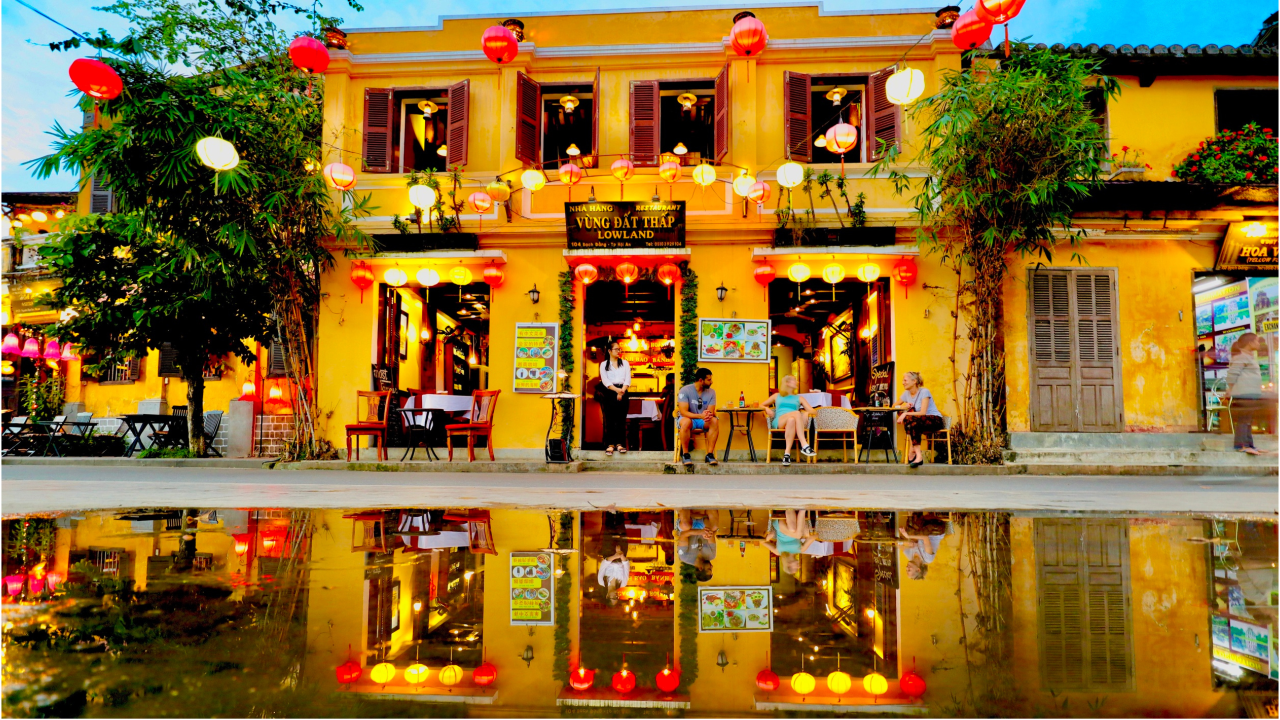
Planning a trip to Vietnam just got even easier. Vietnam has officially expanded its E-Visa program to 83 international entry points, making it more convenient than ever for travelers to explore the country. Whether you’re flying into a major city, crossing the border by land, or arriving by cruise, this update gives you more freedom to design your journey your way.
In this guide, we’ll break down everything you need to know about Vietnam’s expanded E-Visa system, including where you can enter, how it works, and tips to ensure a smooth and hassle-free arrival.
What’s New about the Vietnam Visa ? Expanding Vietnam E-Visa to 83 Entry Points
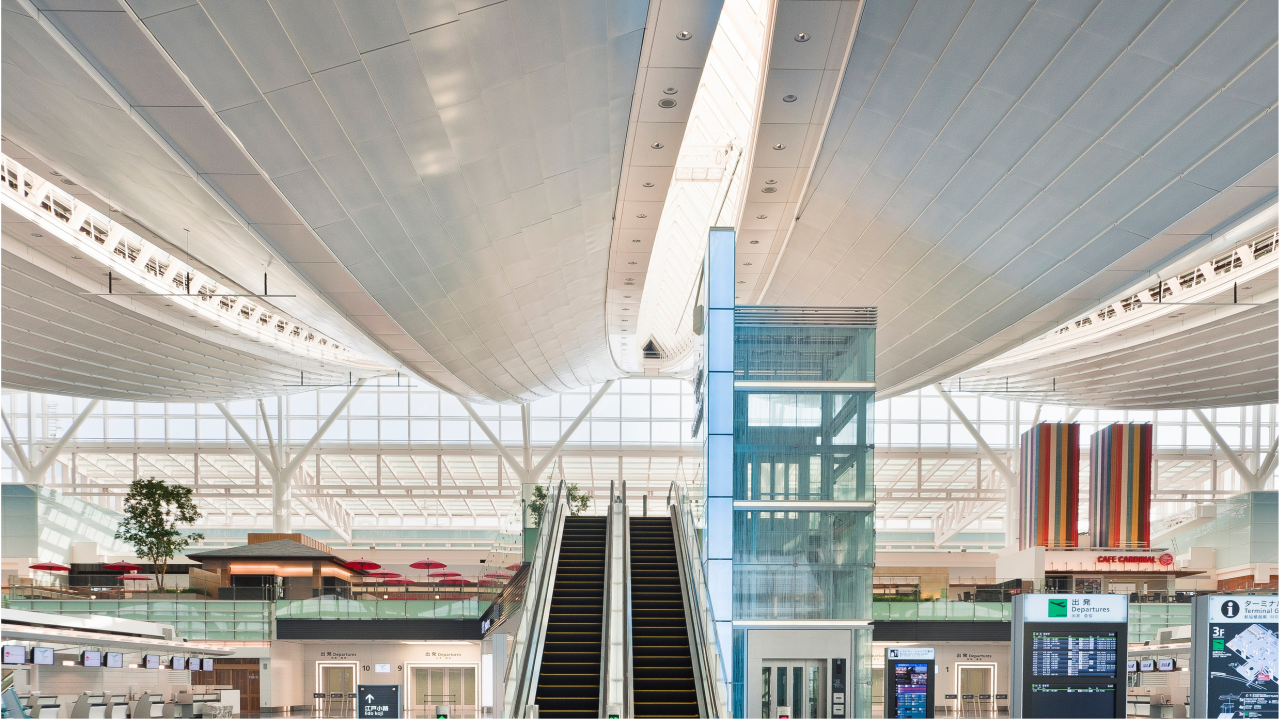
Vietnam has made traveling even easier with its latest Vietnam E-Visa update, expanding access to 83 international entry points across the country. Travelers can now enter Vietnam through more airports, land borders, and seaports, offering greater freedom to plan flexible travel routes. Whether you’re flying in, crossing overland, or arriving by cruise, this expanded Vietnam E-Visa system helps reduce paperwork and makes arriving in Vietnam smoother, faster, and more stress-free. If you want to get Vietnam E-Visa, let’s see these 83 entry points here.
By the way , the Vietnamese government introduced this expansion to boost tourism and make travel more convenient for visitors. By offering more entry options and simplifying visa procedures, the goal is to attract international travelers.
Full List of Vietnam’s 83 E-Visa Entry Points
With the Vietnam E-Visa now accepted at 83 international entry points, travelers have more freedom to choose how and where they arrive in the country. Below is the full list of Vietnam’s E-Visa entry points, helping you plan a smooth and stress-free start to your trip.
International Airports
- Long Thành International Airport (applicable once the airport is operational)
- Gia Bình International Airport (applicable once the airport is operational)
- Vinh International Airport
- Chu Lai International Airport
- Nội Bài International Airport (Hanoi)
- Tân Sơn Nhất International Airport (Ho Chi Minh City)
- Cam Ranh International Airport (Nha Trang)
- Đà Nẵng International Airport
- Cát Bi International Airport (Hai Phong)
- Cần Thơ International Airport
- Phú Quốc International Airport
- Phú Bài International Airport (Hue)
- Vân Đồn International Airport
- Thọ Xuân Airport (Thanh Hóa)
- Đồng Hới Airport
- Phù Cát International Airport
- Liên Khương International Airport
Land border checkpoints
- Dong Dang (railway), Lang Son Province (border with China)
- Lao Cai (railway), Lao Cai Province (border with China)
- Tra Linh, Cao Bang Province (border with China)
- Long Sap, Son La Province (border with Laos)
- Nam Giang, Da Nang City (border with Laos)
- Le Thanh, Gia Lai Province (border with Cambodia)
- Binh Hiep, Tay Ninh Province (border with Cambodia)
- Thuong Phuoc (road/waterway), Dong Thap Province (border with Cambodia)
- Dinh Bà, Dong Thap Province (border with Cambodia)
- Tân Nam, Tây Ninh Province (border with Cambodia)
- Thanh Thủy, Tuyên Quang Province (border with China)
- Tây Trang (border with Laos)
- Móng Cái (border with China)
- Hữu Nghị (border with China)
- Lào Cai (border with China)
- Nà Mèo (border with Laos)
- Nậm Cắn (border with Laos)
- Cầu Treo (border with Laos)
- Cha Lo (border with Laos)
- La Lay (border with Laos)
- Lao Bảo (border with Laos)
- Bờ Y (border with Laos)
- Mộc Bài (border with Cambodia)
Ports and maritime border checkpoints
- Vạn Gia, Quảng Ninh Province
- Diêm Điền, Hưng Yên Province
- Hải Thịnh, Ninh Bình Province
- Ninh Bình Border Port
- Cửa Lò – Bến Thủy, Nghệ An Province
- Sơn Dương, Hà Tĩnh Province
- Gianh, Quảng Trị Province
- Hòn La, Quảng Trị Province
- Cua Viet, Quảng Trị Province
- Thuận An, Huế City
- Ky Ha, Da Nang City
- Sa Ky, Quang Ngai Province
- Vung Ro, Dak Lak Province
- Cà Ná, Khánh Hòa Province
- Ninh Chữ, Khánh Hòa Province
- Phú Quý, Lâm Đồng Province
- Liên Hương, Lâm Đồng Province
- Bến Lức, Tây Ninh Province
- Đồng Tháp Port, Đồng Tháp Province
- Soài Rạp – Hiệp Phước, Đồng Tháp Province
- Mỹ Thới, An Giang Province
- Hòn Chông, An Giang Province
- An Thới, An Giang Province
- Trường Long Hòa, Vĩnh Long Province
- Giao Long, Vinh Long Province
- Nam Can, Ca Mau Province
- Ho Chi Minh City
- Hòn Gai
- Cẩm Phả
- Hải Phòng
- Nghi Sơn
- Vũng Áng
- Chân Mây
- Đà Nẵng
- Nha Trang
- Quy Nhon
- Dung Quat
- Vung Tau
- Duong Dong
Who Benefits Most from the 83 Entry Points Expansion?
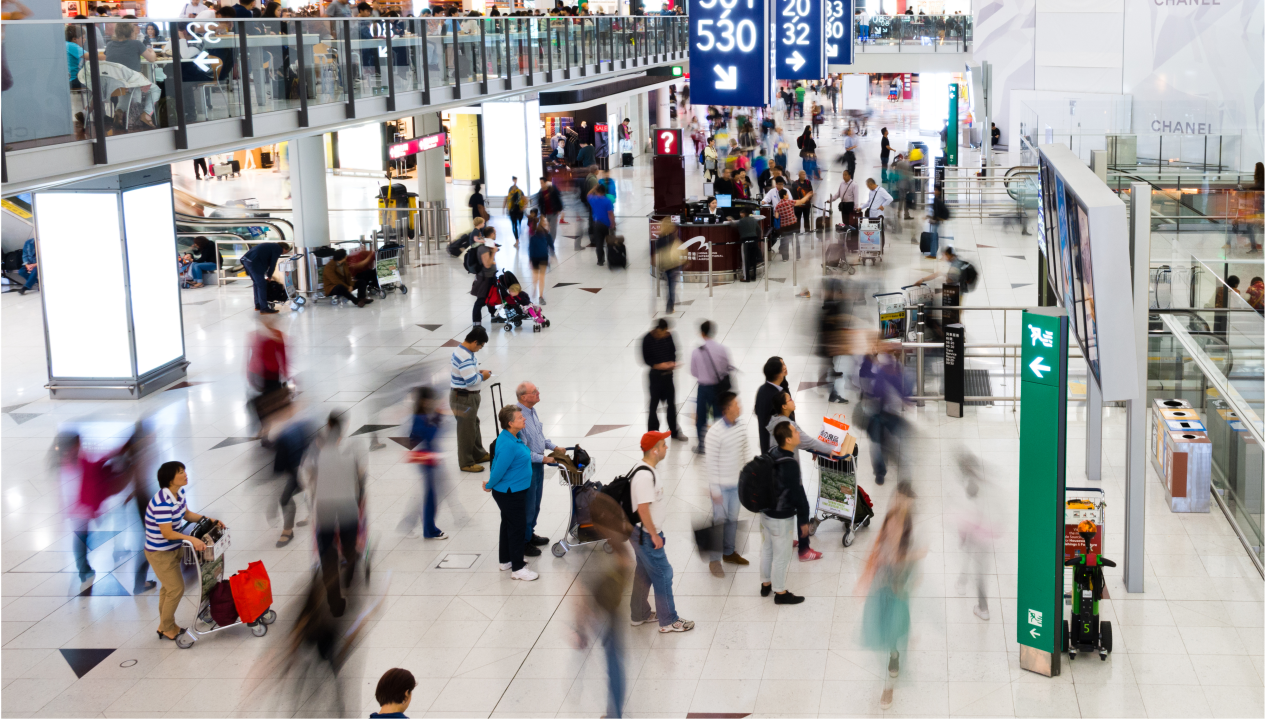
The expansion to 83 Vietnam E-Visa entry points benefits many types of travelers by offering greater flexibility and easier access to Vietnam. This update is especially helpful for:
- First-time visitors, who can enjoy a smoother and less confusing arrival with more approved entry options
- Independent travelers and backpackers, who want the freedom to enter Vietnam through different routes and explore multiple regions
- Overland travelers, crossing from neighboring countries such as Laos, Cambodia, or China
- Cruise passengers, who can now enter Vietnam through more seaports without complicated visa arrangements
- Frequent travelers and digital nomads, who value convenience and flexible travel planning
Overall, the expanded entry points make Vietnam more accessible, traveler-friendly, and ideal for those looking for a stress-free start to their journey.
Important Things to Know Before Entering Vietnam with an E-Visa

The expansion to 83 E-Visa entry points benefits many types of travelers by offering greater flexibility and easier access to Vietnam. By following a few essential steps and helpful tips, you’ll be able to pass through immigration smoothly and begin your journey with confidence and peace of mind.
- Review Your E-Visa Details
- Save a Copy of Your E-Visa
- Check Passport Validity
- Verify Flight and Accommodation Arrangements
- Review Customs and Currency Regulations
- Know the Emergency Contact Information In Vietnam
Overall, the expanded entry points make Vietnam more accessible, traveler-friendly, and ideal for those looking for a stress-free start to their journey.
Conclusion
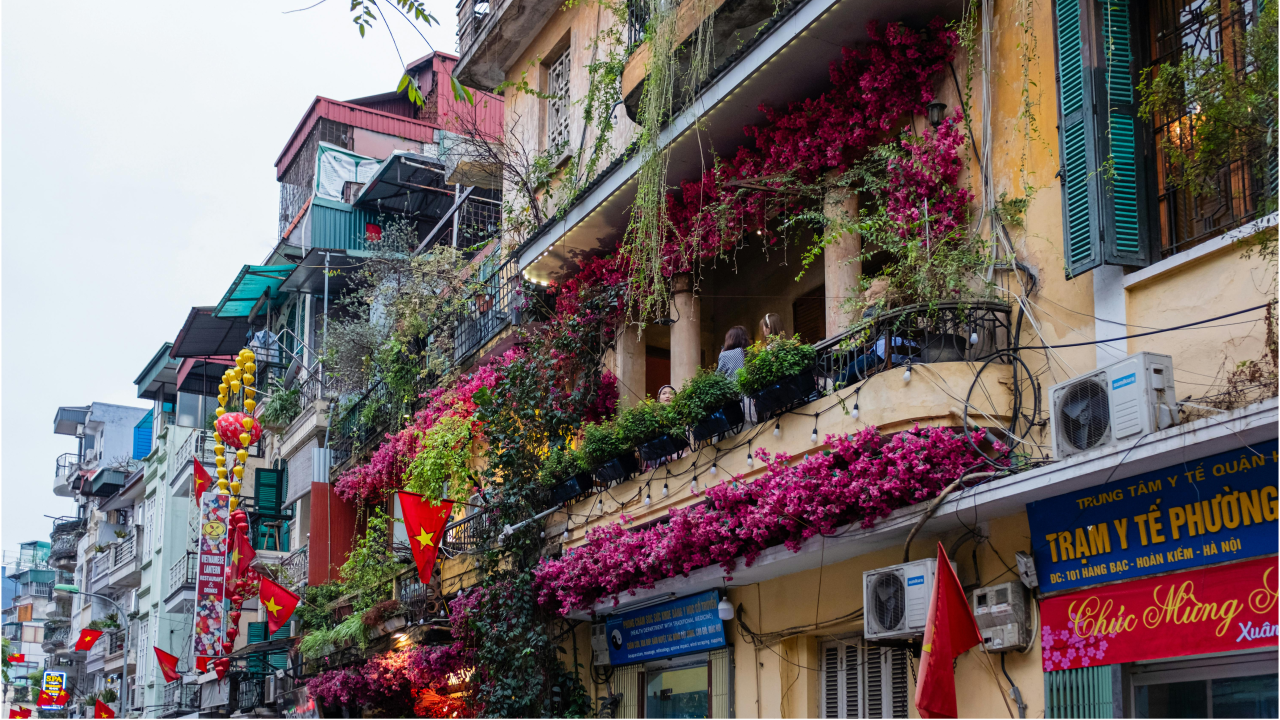
Vietnam’s expansion to 83 E-Visa entry points has completely changed the way travelers can enter the country. With more airports, land borders, and seaports now accepting E-Visas, planning a trip to Vietnam is easier and more flexible than ever. You’re no longer limited to just a few entry routes—giving you the freedom to travel your way and start your adventure without unnecessary hassle.
Need your Vietnam E-Visa urgently? Skip the stress and last-minute worries. Apply for an Urgent Vietnam E-Visa now and enjoy a fast, smooth approval—so you can focus on exploring Vietnam the moment you arrive.